





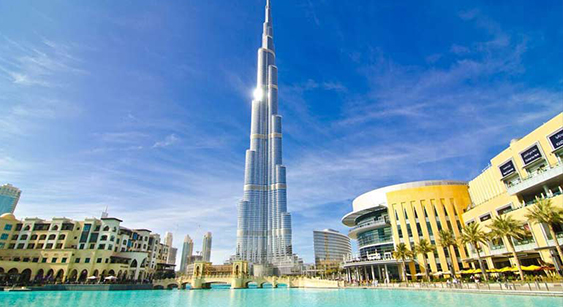
دبي

0 الوحدات السكنية
متوسط السعر
Sar 0





الظهران, المملكة العربية السعودية.

Info@aqarize.com







Lorem ipsum dolor sit amet, Ut enim ad minim veniam, quis nostrud exercitation ullamco laboris nisi ut aliquip ex ea commodo consequat. Duis aute irure dolor in reprehenderit conseasd ctetur adipisicing elit, sed do eiusmod tempor incididunt ut labore et dolore magna aliqua.

Real estate has long been regarded as one of the most important pillars of the global economy. From small residential homes and apartment buildings to massive commercial complexes, industrial warehouses, agricultural land, and smart cities, real estate shapes the way people live, work, travel, invest, and build communities. It is more than simply buying and selling property. Real estate is deeply connected to economic development, urban planning, infrastructure, employment, technology, finance, and long-term wealth creation.
For centuries, land ownership has represented security and stability. While financial markets can fluctuate dramatically and businesses can rise or fall, land remains a finite physical resource. Buildings may be constructed, renovated, demolished, or rebuilt, but the amount of land in desirable locations is inherently limited. This scarcity is one of the fundamental reasons why real estate continues to hold such importance for individuals, businesses, governments, and investors.
In the modern world, however, real estate has become increasingly complex. Rapid urbanization, changing lifestyles, population growth, technological innovation, environmental concerns, changing interest rates, and evolving government regulations have transformed the property market. Understanding real estate today requires looking beyond the traditional idea of purchasing a house and waiting for its value to increase. Successful participation in the real estate market requires knowledge, planning, research, financial discipline, and an understanding of local and global economic trends.
Understanding the Meaning of Real Estate
Real estate generally refers to land and anything permanently attached to it. This includes residential houses, apartment buildings, commercial offices, factories, warehouses, retail stores, agricultural land, and other structures built on land.
The concept of real estate can be broadly divided into two components:
1. Land
Land includes the physical ground itself and natural resources associated with it. Its value is influenced by several factors, including:
Location
Accessibility
Size
Surrounding development
Infrastructure
Natural resources
Government regulations
Future development potential
Unlike many other assets, land cannot simply be manufactured. A company can produce more smartphones, automobiles, or furniture when demand increases, but it cannot create more land in a specific desirable location. This limited supply often contributes significantly to property values.
2. Improvements
Improvements refer to permanent structures and developments made on the land. These may include:
Houses
Apartment buildings
Office towers
Roads
Warehouses
Shopping centers
Factories
Hotels
Schools
Hospitals
The value of a property is therefore often determined by a combination of land value and the value of the improvements constructed upon it.
Major Types of Real Estate
The real estate industry consists of several major categories. Each category has different characteristics, risks, opportunities, buyers, tenants, and investment strategies.
Residential Real Estate
Residential real estate refers to properties designed primarily for people to live in.
Examples include:
Independent houses
Apartments
Flats
Villas
Townhouses
Condominiums
Residential plots
Multi-family housing
Affordable housing
Luxury homes
Residential real estate is one of the largest and most familiar sectors because housing is a basic human need. Regardless of economic conditions, people require places to live.
However, residential markets can vary significantly. A luxury apartment in a major metropolitan city behaves differently from an affordable house in a developing town. Population growth, employment opportunities, transportation infrastructure, school quality, safety, and lifestyle preferences can all influence demand.
One of the most important characteristics of residential real estate is its emotional component. Buyers often make decisions based not only on financial calculations but also on personal preferences. A family may choose a property because it is close to a school, workplace, relatives, parks, or cultural facilities.
This emotional element can sometimes create opportunities but can also lead to poor investment decisions if buyers ignore financial realities.
Commercial Real Estate
Commercial real estate includes properties used for business activities.
Examples include:
Office buildings
Retail stores
Shopping centers
Business parks
Hotels
Restaurants
Medical offices
Co-working spaces
Commercial properties typically generate income through rental agreements with businesses.
The performance of commercial real estate depends heavily on economic activity. When businesses expand, they may require additional office or retail space. During economic downturns, companies may reduce their physical footprint.
The commercial property sector has also been transformed by changes in work culture. Remote work and hybrid work models have changed how companies use office space. Rather than simply renting the largest possible office, many businesses are focusing on flexible spaces, shared facilities, employee experience, and strategic locations.
Retail real estate has also changed due to the growth of online shopping. Traditional retail centers must now compete with e-commerce platforms. As a result, successful commercial properties increasingly focus on experiences that cannot easily be replicated online, such as entertainment, dining, healthcare, and social activities.
Industrial Real Estate
Industrial real estate includes properties used for manufacturing, production, storage, logistics, and distribution.
Examples include:
Factories
Warehouses
Distribution centers
Logistics parks
Cold storage facilities
Manufacturing plants
The growth of e-commerce has significantly increased demand for warehouses and logistics infrastructure. Modern consumers expect fast delivery, which requires businesses to maintain efficient supply chains and strategically located distribution facilities.
Industrial real estate is often influenced by:
Transportation networks
Highways
Railways
Airports
Ports
Manufacturing activity
Population density
E-commerce growth
A warehouse located near major transportation infrastructure may be significantly more valuable than a similar building in a remote area.
Land and Agricultural Real Estate
Land is one of the most fundamental forms of real estate investment.
Investors may purchase land for:
Residential development
Commercial development
Industrial development
Agriculture
Future appreciation
Tourism projects
Infrastructure-related opportunities
Agricultural land is used for farming and related activities. Its value can depend on soil quality, water availability, climate, location, government regulations, and agricultural productivity.
Land investments can potentially offer significant appreciation, particularly when an area experiences urban expansion or infrastructure development. However, land can also involve substantial risks.
These include:
Title disputes
Zoning restrictions
Lack of infrastructure
Environmental restrictions
Illegal development
Limited liquidity
Government acquisition risks
For this reason, land investments require careful legal and regulatory due diligence.
Why Location Is the Most Important Factor in Real Estate
The phrase "location, location, location" is frequently used in the real estate industry because location is one of the strongest determinants of property value.
A building can be renovated, redesigned, or reconstructed. However, its geographical location cannot be changed.
A property's location influences:
Accessibility
Employment opportunities
Rental demand
Infrastructure
Safety
School quality
Healthcare access
Public transportation
Shopping facilities
Future development potential
For example, two apartments with identical sizes and construction quality may have dramatically different values if one is located near a major business district and the other is located far from employment centers.
Location also determines future demand. Areas that are expected to receive new highways, metro systems, airports, universities, business parks, or industrial facilities may experience increased real estate activity.
However, investors must distinguish between genuine infrastructure development and speculative promises. Many property investments are marketed based on future projects that may be delayed or never completed.
Therefore, it is important to research:
Official development plans
Government infrastructure announcements
Construction progress
Land-use regulations
Population growth
Employment trends
Real Estate as an Investment
Real estate is widely considered an important investment asset because it can potentially provide both income and capital appreciation.
There are several primary ways investors can earn returns from real estate.
Rental Income
Rental income is generated when a property owner allows another person or business to use the property in exchange for regular payments.
Examples include:
Residential rent
Office rent
Retail rent
Warehouse rent
Hotel income
Rental income can provide investors with regular cash flow.
However, gross rental income should not be confused with actual profit. Property ownership involves numerous expenses, including:
Maintenance
Property taxes
Insurance
Repairs
Management costs
Vacancy periods
Financing costs
The actual return should therefore be calculated after considering all relevant expenses.
Capital Appreciation
Capital appreciation occurs when a property's market value increases.
For example, an investor may purchase a property for one amount and sell it several years later for a higher amount.
Property values can increase due to:
Infrastructure development
Population growth
Economic expansion
Increased demand
Limited supply
Neighborhood improvements
Commercial development
However, appreciation is never guaranteed. Real estate markets can decline, remain stagnant, or experience long periods of limited growth.
Investors should therefore avoid assuming that every property will automatically increase in value.
Value Addition
Some investors actively improve properties to increase their value.
This strategy may involve:
Renovation
Interior improvements
Structural upgrades
Better property management
Changing the property's use
Improving occupancy
Increasing rental income
For example, an outdated apartment may be renovated and rented at a higher rate. A poorly managed commercial property may become more valuable through better tenant management and improvements.
This approach requires expertise because renovation costs can quickly exceed expected returns.
The Importance of Real Estate in Wealth Creation
For many families, a home is their largest financial asset. Property ownership can contribute to long-term wealth accumulation through:
Appreciation
Equity accumulation
Rental income
Leverage
Equity refers to the difference between the property's market value and the outstanding debt associated with it.
For example, if a property is worth a certain amount and the owner has repaid a substantial portion of the loan, the owner's equity increases.
Over time, property owners may build wealth through both loan repayment and property appreciation.
However, real estate should not be considered a guaranteed path to wealth. Poorly selected properties, excessive debt, legal problems, market downturns, and high maintenance costs can create financial difficulties.
Successful real estate investment usually depends on patience and disciplined decision-making.
Financing and the Role of Mortgages
Most people cannot purchase property entirely with cash. Real estate financing therefore plays a central role in the industry.
A mortgage or home loan allows buyers to purchase a property using borrowed money.
Typically, the buyer contributes a portion of the purchase price as a down payment and finances the remaining amount through a loan.
The borrower then makes periodic payments consisting primarily of:
Principal repayment
Interest payments
The availability and cost of financing can significantly affect real estate demand.
When interest rates are relatively low, borrowing may become more affordable, potentially increasing property demand.
When interest rates rise, monthly loan payments can become more expensive. This may reduce affordability and slow demand.
Investors should be particularly careful about leverage.
Leverage allows investors to control a large asset using a smaller amount of their own capital. This can increase potential returns when property values rise.
However, leverage can also magnify losses.
If property values decline while the investor still has substantial debt obligations, financial pressure can increase significantly.
Real Estate and Economic Growth
Real estate contributes significantly to national economies.
The sector supports numerous industries, including:
Construction
Cement
Steel
Furniture
Banking
Insurance
Architecture
Engineering
Interior design
Legal services
Property management
When real estate development expands, it can create employment across many sectors.
For example, constructing a residential project requires architects, engineers, laborers, suppliers, contractors, transportation services, electricians, plumbers, and numerous other professionals.
Real estate development can also stimulate infrastructure investment.
New communities may require:
Roads
Water systems
Electricity networks
Schools
Hospitals
Public transportation
As a result, real estate development is closely connected to broader economic development.
The Impact of Urbanization
Urbanization is one of the most powerful forces shaping real estate markets.
As people move from rural areas to cities in search of employment, education, healthcare, and opportunities, demand for housing and infrastructure increases.
Rapid urbanization can create significant pressure on cities.
Common challenges include:
Housing shortages
Traffic congestion
Rising property prices
Limited infrastructure
Pollution
Informal settlements
Governments and developers increasingly face the challenge of creating cities that are both economically productive and livable.
Modern urban planning focuses on concepts such as:
Mixed-use development
Public transportation
Walkable neighborhoods
Green spaces
Affordable housing
Smart infrastructure
The future of real estate is therefore closely connected to the future of cities.
Affordable Housing and Social Responsibility
Housing affordability is one of the major challenges facing many countries.
Property prices can increase faster than household incomes, making homeownership difficult for many people.
Affordable housing initiatives attempt to provide quality housing at prices accessible to lower- and middle-income populations.
However, affordability involves more than simply reducing construction costs.
A low-cost house located far from employment opportunities may create transportation expenses that make it less affordable in practice.
True affordability must consider:
Property price
Transportation costs
Utility costs
Maintenance costs
Access to employment
Successful affordable housing projects therefore require careful planning.
Technology and the Digital Transformation of Real Estate
Technology is rapidly changing the real estate industry.
Digital platforms have transformed how people search for properties. Buyers and tenants can now compare listings, view photographs, explore virtual tours, and communicate with agents online.
Important technologies influencing real estate include:
Artificial intelligence
Virtual reality
Augmented reality
Digital property management
Smart home technology
Building automation
Data analytics
Artificial intelligence can help analyze market trends, estimate property values, and improve customer service.
Virtual reality allows potential buyers to explore properties remotely.
Smart home systems can control:
Lighting
Security
Temperature
Appliances
Energy consumption
Technology is also improving property management.
Building owners can use digital systems to monitor maintenance requirements, utility consumption, tenant communication, and financial performance.
Smart Cities and the Future of Urban Living
Smart cities use technology and data to improve urban infrastructure and quality of life.
Real estate plays a central role in this transformation.
Future developments may increasingly integrate:
Smart transportation
Intelligent energy systems
Digital security
Automated waste management
Connected buildings
Energy-efficient infrastructure
The goal is not simply to add technology to buildings. The larger objective is to create communities that are more efficient, sustainable, and convenient.
For example, smart buildings may automatically adjust energy consumption based on occupancy patterns.
This can reduce costs and environmental impact.
Sustainability and Green Real Estate
Environmental sustainability has become increasingly important in real estate.
Buildings consume significant amounts of energy and resources. As awareness of climate change and environmental responsibility increases, developers are placing greater emphasis on sustainable construction.
Green buildings may include:
Energy-efficient lighting
Solar energy systems
Rainwater harvesting
Improved insulation
Natural ventilation
Water-efficient systems
Sustainable building materials
Sustainable properties may offer long-term benefits through lower operating costs.
Environmental factors can also influence property values.
For example, properties vulnerable to flooding, extreme heat, or other environmental risks may face increasing challenges.
As a result, future real estate decisions will increasingly need to consider climate resilience.
Risks in Real Estate Investment
Despite its potential advantages, real estate involves significant risks.
Market Risk
Property values can decline due to:
Economic recessions
Reduced demand
Excess supply
Rising interest rates
Investors should not assume that past price growth will continue indefinitely.
Liquidity Risk
Real estate is generally less liquid than publicly traded financial assets.
Selling a property can take weeks or months.
During weak markets, sellers may need to reduce prices to attract buyers.
Legal Risk
Legal problems can create serious financial consequences.
Potential issues include:
Unclear ownership
Title disputes
Unauthorized construction
Zoning violations
Missing approvals
Legal due diligence is therefore essential before purchasing property.
Financing Risk
Borrowing increases financial risk.
If interest costs rise or rental income declines, an investor may struggle to meet loan obligations.
Investors should carefully evaluate their ability to handle unfavorable conditions.
Vacancy Risk
Rental properties may remain vacant.
During vacancy periods, owners may continue paying:
Loan installments
Taxes
Maintenance expenses
without receiving rental income.
Due Diligence Before Buying Property
A successful property purchase requires research.
Important steps include:
Verify Ownership
Ensure that the seller has the legal authority to sell the property.
Review Documents
Check relevant property records and approvals.
Inspect the Property
Physical inspection can reveal:
Structural problems
Water damage
Poor construction quality
Maintenance requirements
Research the Location
Study:
Infrastructure
Accessibility
Future development
Employment opportunities
Calculate Total Costs
The purchase price is not the only expense.
Other costs may include:
Taxes
Registration charges
Legal expenses
Renovation
Maintenance
Financing costs
Real Estate Cycles
Real estate markets often move through cycles.
These may include:
Expansion
Demand increases and development activity grows.
Peak
Prices may reach high levels and speculative activity can increase.
Contraction
Demand slows and property prices may decline.
Recovery
Market conditions gradually improve.
Understanding market cycles can help investors avoid buying based purely on excitement.
However, predicting exact market peaks and bottoms is extremely difficult.
A long-term strategy based on affordability, quality, location, and financial discipline is often more reliable than attempting to perfectly predict the market.
The Role of Real Estate Agents
Real estate agents help connect buyers, sellers, landlords, and tenants.
Their responsibilities may include:
Property marketing
Negotiation
Market analysis
Property viewings
Documentation coordination
A knowledgeable agent can provide valuable information about local markets.
However, buyers and investors should still conduct independent research.
An agent's interests may not always perfectly align with those of the buyer.
Property Management
Owning rental property requires ongoing management.
Responsibilities may include:
Tenant selection
Rent collection
Maintenance
Repairs
Lease management
Complaint handling
Professional property management can reduce the workload for investors.
However, management fees reduce net income.
Investors must therefore evaluate whether self-management or professional management is more appropriate.
Luxury Real Estate
Luxury real estate represents the premium segment of the property market.
Luxury properties may offer:
Prime locations
High-quality construction
Premium interiors
Advanced technology
Private amenities
Greater privacy
The luxury market can be influenced by high-income individuals and global economic conditions.
Luxury properties may also experience different market cycles than affordable housing.
Because the buyer pool is smaller, luxury properties may sometimes require longer selling periods.
The Psychology of Real Estate
Real estate decisions are often emotional.
Buyers may become attached to properties and make decisions based on excitement rather than analysis.
Common psychological mistakes include:
Fear of missing out
Overconfidence
Following market rumors
Assuming prices will always rise
Ignoring maintenance costs
A disciplined investor separates emotional preferences from financial analysis.
The Future of Real Estate
The future of real estate will likely be shaped by several major trends.
These include:
Increasing Urbanization
Cities will continue to attract people and businesses.
Technology Integration
Smart homes and digital property platforms will become increasingly common.
Sustainability
Energy efficiency and environmentally responsible construction will become more important.
Changing Work Patterns
Remote and hybrid work will continue to influence office and residential markets.
Flexible Living
Demand may increase for rental and flexible housing options.
Data-Driven Decision Making
Investors and developers will increasingly use data to analyze markets.
Conclusion
Real estate remains one of the most important sectors in the global economy. It provides homes, workplaces, factories, infrastructure, and investment opportunities. It creates employment, supports numerous industries, and plays a central role in urban development.
For individuals, real estate can provide housing security, rental income, and long-term wealth-building opportunities. For businesses, it provides the physical spaces necessary for operations. For governments, it is connected to infrastructure development, taxation, employment, and economic growth.
However, real estate is not a simple or risk-free investment. Property markets are influenced by economic conditions, interest rates, government policies, infrastructure, technology, demographics, and environmental factors.
The most successful approach to real estate is based on knowledge and patience. Investors should understand the property, location, financial commitments, legal requirements, and potential risks before making decisions.
The old principle of location remains important, but modern real estate requires a broader perspective. The future of property will depend not only on where a building is located, but also on how efficiently it operates, how sustainable it is, how well it integrates technology, and how effectively it meets the changing needs of society.
As cities grow and lifestyles evolve, real estate will continue to transform. Buildings will become smarter, communities more connected, and investment decisions increasingly data-driven. Yet despite all these changes, one fundamental fact will remain: people will always need places to live, work, create, and connect.
For this reason, real estate will continue to be one of the most influential and enduring industries in the world.

dsdfsdfsd

nice .......
Get full blog postGet full blog postGet full blog postGet full blog postGet full blog postGet full blog postGet full blog post
Read MoreWhat is Lorem Ipsum? Lorem Ipsum is simply dummy text of the printing and typesetting industry. Lorem Ipsum has been the industry's standa...
Read More




 8/9/2026، 3:06 م
 مشرف
مشرف 14
14